Bandsaw blade set types play a crucial role in various cutting applications, influencing performance and efficient material processing. Understanding these types ensures optimal results.
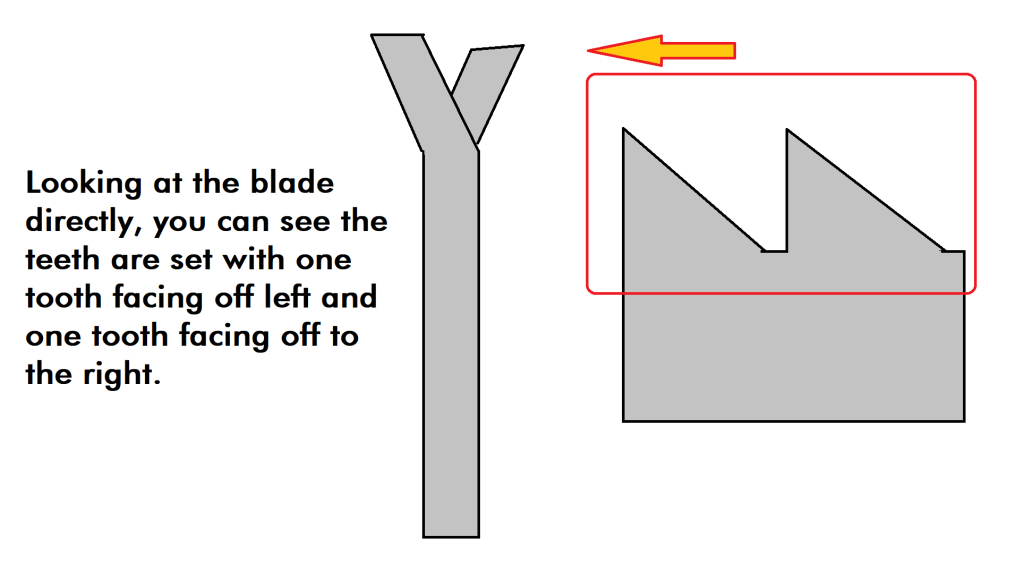
Three primary blade set types exist: regular, skip, and hook. Each serves specific cutting needs and materials, showcasing unique characteristics that influence performance. Regular blade sets feature closely spaced teeth, making them ideal for precisely cutting thin materials. Skip blade sets have widely spaced teeth that are suitable for thicker materials, reducing the chance of blade clogging. Meanwhile, hook blade sets with deep gullets excel at aggressive cutting tasks for thick and challenging materials.
Considering the application becomes crucial in determining the appropriate blade set type. Regular blade sets offer precision and smooth finishes for intricate and fine cuts. Conversely, skip or hook blade sets are preferred for thicker and more demanding materials, ensuring efficient chip removal and cutting efficiency.
Furthermore, the choice of blade set type intersects with the material being cut. For instance, regular blade sets excel with softer materials, providing clean and accurate cuts. In contrast, skip or hook blade sets are suitable for tougher materials, ensuring efficient chip removal and reducing heat buildup during cutting.
Tooth configuration within each set type becomes another critical factor. Variations in tooth spacing, angles, and shapes contribute to the overall cutting performance. Adjusting these parameters allows for customisation, ensuring users tailor the bandsaw blade to specific cutting tasks.
In addition to tooth configuration, tooth pitch plays a significant role. The appropriate pitch selection depends on factors like material thickness and the desired finish. Finer pitches suit thin materials, delivering smoother cuts, while coarser pitches excel in thicker materials, ensuring faster cutting rates.
When transitioning to blade maintenance, regular inspections and adjustments are necessary to optimise performance. Proper tensioning, alignment, and tooth sharpening contribute to prolonged blade life and sustained cutting precision.
In conclusion, achieving optimal cutting results relies on understanding bandsaw blade set types. The intricate interplay of tooth configurations, pitch variations, and the choice of set type allows a tailored approach to diverse cutting tasks. Regular maintenance additionally ensures the longevity and efficiency of the bandsaw blade, establishing it as an indispensable tool in various industries and applications.